Toronto, Ontario, Canada

Your Complete Toronto Zoo Visitor Guide

From the African Savanna to the Indo-Malaya Pavilion, explore everything this world-class wildlife destination has to offer. Independent, up-to-date, and always free.

8 Featured Articles 45 min total read Updated June 2026
Explore Articles
Scroll
5,000+
Animals
10
Exhibit Zones
1.4M
Annual Visitors
1974
Founded

Plan the Perfect Day at the Toronto Zoo

Nestled in the Rouge Valley about 40 minutes from downtown Toronto, the Toronto Zoo stands as one of Canada's most beloved wildlife destinations. Covering nearly 700 acres, it is home to over 5,000 animals representing more than 500 species from around the globe.

Whether you are coming for the first time or are a returning visitor looking to make the most of your day, this independent guide covers everything from exhibit highlights and dining options to conservation programs and seasonal events.

Explore Our Guides
Toronto Zoo entrance with turnstiles and landscaping

Everything You Need to Know

In-depth guides to help you plan, explore, and enjoy every moment at the Toronto Zoo.

Polar bear swimming underwater in zoo habitat Animals

Top 8 Animal Exhibits You Cannot Miss at the Toronto Zoo

From the African Savanna to the Tundra Trek, the Toronto Zoo packs extraordinary biodiversity into one accessible day trip. Here are the exhibits that consistently top visitor lists and the animals that make each one unforgettable.

1. African Savanna: Watch giraffes stride across rolling savanna grasslands and hippos/submerged in their pool. The Masai giraffe feeding platform is a visitor favorite, and the adjacent African elephants exhibit offers some of the zoo's most impressive animal scale.

2. Tundra Trek: The polar bear habitat is the star of the Tundra Trek. A submerged viewing gallery lets you watch these apex predators swim overhead, creating one of the most memorable wildlife encounters in Canada. Arctic foxes and snowy owls round out the northern atmosphere.

3. Americas: Grizzly bears, wolves, and cougars occupy spacious naturalistic enclosures. The underwater otter tank offers playful viewing, while the American bison and moose paddocks give a taste of Canadian wilderness.

4. Australasia: Walk through lush replicated rainforest to encounter kangaroos, wallabies, and wombats. The koala habitat and cassowary exhibit are standout highlights of this section.

5. Indo-Malaya: Sumatran tigers, orangutans, and Malayan tapirs share this tropical zone. The orangutan enclosure features elevated climbing structures and viewing areas that regularly produce remarkable photography opportunities.

6. Discovery Zone: A favorite for families with younger children. The Splash Park (seasonal), Interactive Learning Centre, and the petting zoo-style contact area keep younger visitors engaged for hours.


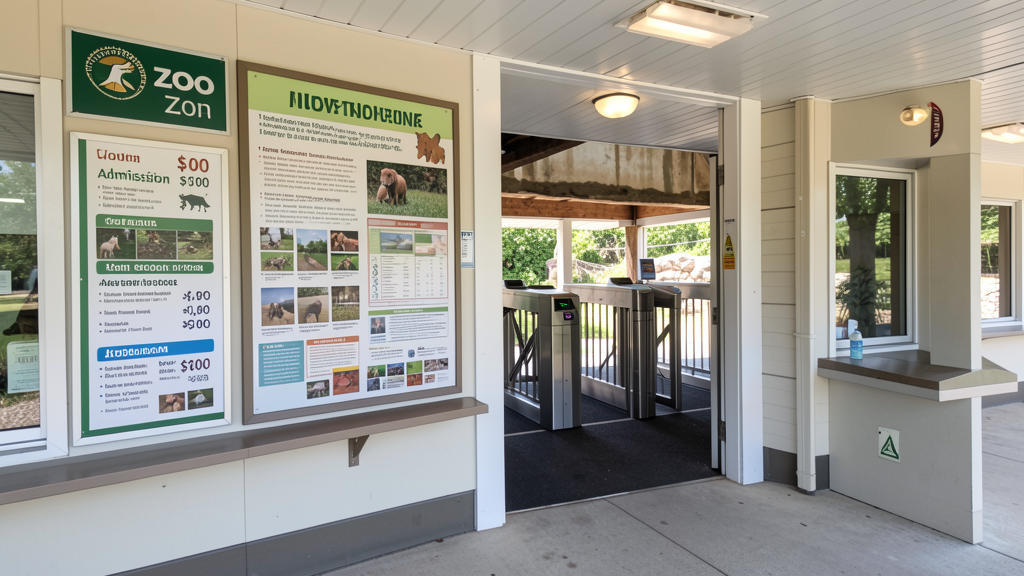
Zoo ticket window with admission prices Planning

Toronto Zoo Tickets and Admission: Everything You Need to Know

Understanding Toronto Zoo admission options can save you both money and time. From seasonal passes to group rates and early-bird pricing, here is a complete breakdown of every ticketing option available.

General Admission: Adult admission covers full-day zoo access across all exhibits. Children under 3 enter free. Parking is additional and can be purchased in advance online for a small discount compared to on-site pricing.

Annual Passes: If you plan to visit more than twice per year, the annual membership pays for itself quickly. Member benefits include early zoo entry on weekends, discounts at the gift shop, and reciprocal admission to partner zoos across North America.

Group and School Rates: Groups of 15 or more receive significant per-person discounts. School group booking requires advance arrangement through the zoo's education department and includes curriculum-aligned program options.

Senior and Youth Pricing: Reduced rates apply for seniors aged 65+ and youth aged 3-17. These discounts are available both online and at the gate.

Special Events: Evening events such as adults-only nights and holiday-themed evenings require separate ticketing. These sell out quickly and early booking is strongly recommended.

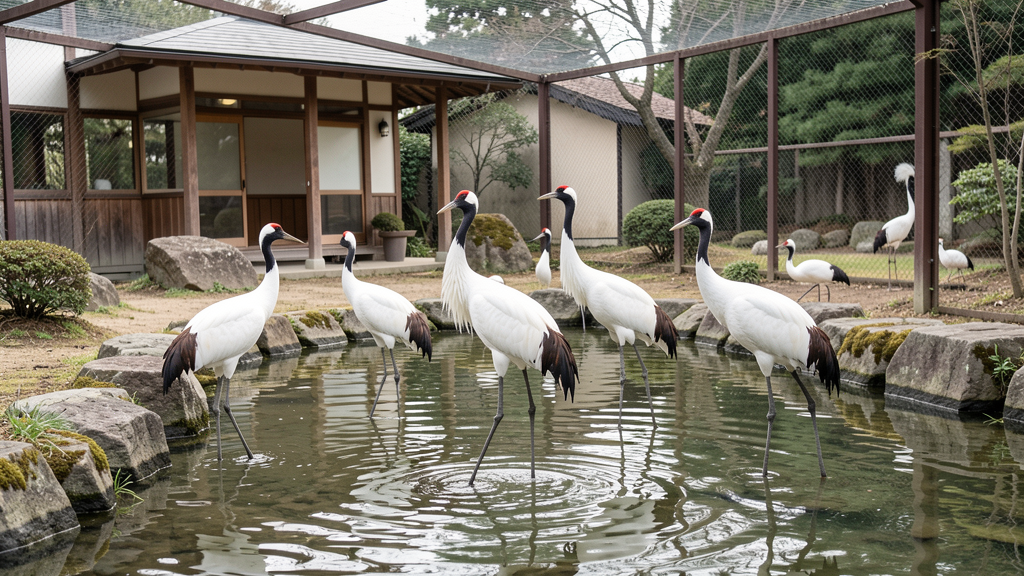
Red-crowned cranes in zoo wetland habitat Getting There

How to Get to the Toronto Zoo: TTC, Driving, and Parking Guide

Whether you are arriving by public transit or car, getting to the Toronto Zoo requires some planning. Here is a practical guide covering every transport option with estimated travel times and insider tips.

By TTC Subway and Bus: Take Line 1 (Yonge-University) to Finch Station, then board the 85A Denis-Cormier express bus directly to the zoo entrance. The full journey from downtown Toronto takes approximately 75-90 minutes. The bus runs every 20-30 minutes on weekends and every 30-40 minutes on weekdays.

By Car: From downtown Toronto, take the Don Valley Parkway north to Highway 401 East. Exit at Meadowvale Road and follow the signs. The drive takes 45-60 minutes depending on traffic. On summer weekends, arrive before 10am to secure parking.

Parking: On-site parking is available in three lots. The main lot (Lot A) is closest to the entrance. Pre-book parking online to guarantee a spot and save on the day-of rate. Overflow parking on high-capacity days uses a shuttle from a remote lot.

Ride-Share and Taxis: Uber and Lyft drop off at the main entrance gate. If using a taxi from downtown, expect a metered fare in the range of CAD 55-75 each way.

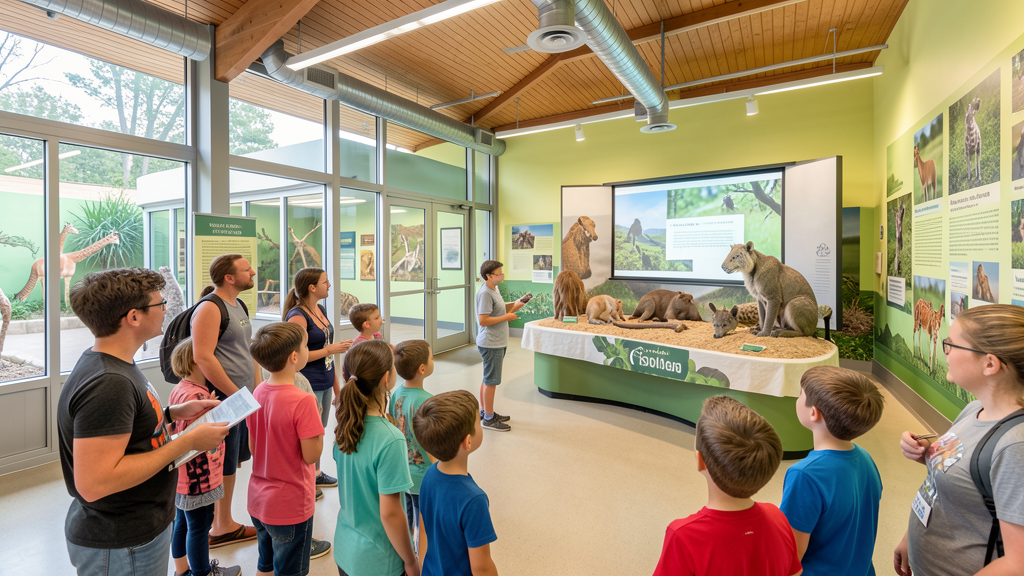
Zoo education center with wildlife conservation presentation Conservation

Conservation at the Toronto Zoo: Endangered Species and Breeding Programs

Behind the scenes, the Toronto Zoo runs one of North America's most active wildlife conservation programs. Learn which species are being protected, how breeding programs work, and how visitors can contribute.

Active Species Recovery: The Toronto Zoo participates in over 100 Species Survival Plan programs coordinated through the Association of Zoos and Aquariums. Current priorities include the Toronto Zoo's involvement in protecting caribou populations in northern Ontario, black-footed ferret recovery, and native reptile conservation.

Breeding and Release: For several endangered species, captive breeding followed by release into the wild is the primary conservation strategy. The zoo's veterinary and animal care teams have successfully bred and released species including the blandings turtle and the eastern loggerhead shrike.

Rewilding Initiatives: The zoo's Rouge Urban National Park partnership aims to restore native habitat in the Rouge Valley. Volunteers can participate in planting days, invasive species removal, and wildlife monitoring surveys.

How Visitors Can Help: Purchasing items from the zoo gift shop funds conservation directly. The ZooShare program allows visitors to symbolically adopt an animal, with proceeds supporting feeding and habitat maintenance for specific species.

Red panda in zoo enclosure with bamboo Animals

Animals of the Toronto Zoo: From Local Species to Exotic Visitors

With over 500 species calling the Toronto Zoo home, it can be overwhelming to prioritize where to go. This guide breaks down the collection by region and highlights flagship species and must-see animals.

Canadian Wildlife: The zoo takes special pride in its Canadian collection. Look for the timber wolf pack, American marten, and the beaver pond exhibit. The Canadian tundra ecosystem display is home to gyrfalcons and ptarmigan, rarely seen birds in most Canadian zoos.

Signature Exotic Species: The orangutan habitat in Indo-Malaya consistently draws the longest crowds. The Sumatran tiger viewing area offers both above-water and below-water perspectives. In Australasia, the cassowary is considered one of the most dangerous birds in the world and one of the most fascinating to observe.

Ambassador Animals: The zoo's education team maintains a collection of approachable species used for close encounters and keeper talks. These include reptiles, birds of prey, and small mammals. Check the daily schedule for these interactive sessions, which are included with general admission.

Seasonal Residents: Some animals are more visible at certain times of year due to weather and seasonal exhibit rotations. Winter visits offer unique opportunities to observe arctic species in their active season, while summer brings newborn animals in the Discovery Zone.

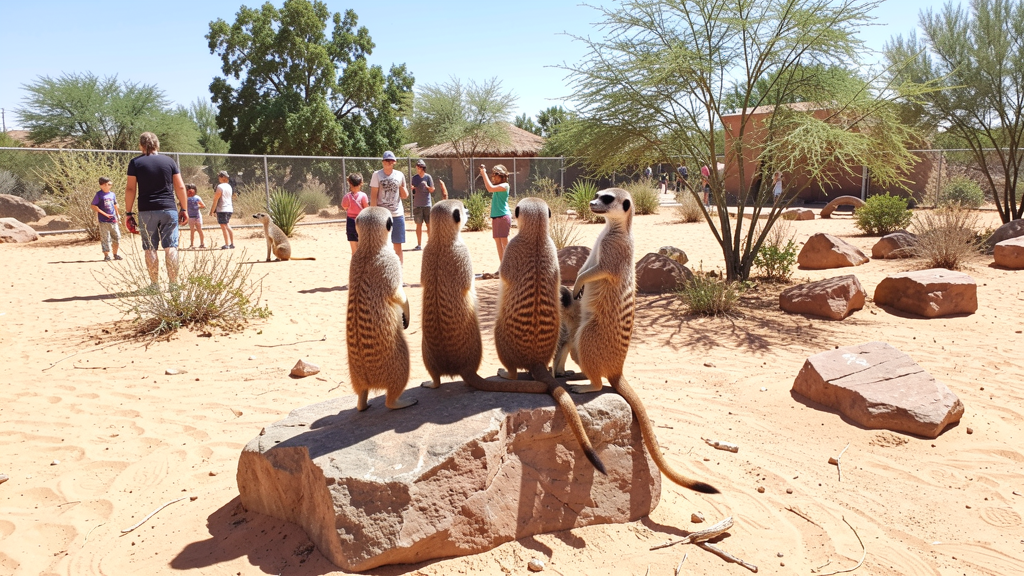
Meerkat group in zoo desert-themed enclosure Tips

Family Visitor Tips: Making the Most of Your Toronto Zoo Day

A trip to the Toronto Zoo with children requires some preparation. From stroller routes and feeding times to bathroom locations and hydration strategies, these tips will help you navigate the day smoothly.

Arrive Early: The zoo opens at 9:30am and animal activity peaks in the first three hours. Arriving at opening means you will see animals at their most active before the midday heat reduces movement. The first animals to see are the carnivores during their morning feeding schedule.

Stroller and Accessibility: The zoo is fully accessible for wheelchairs and strollers. Paved paths connect every exhibit, and the terrain is generally flat. Stroller parking is available outside every building. Consider bringing a lightweight umbrella stroller for easier maneuvering through crowded pathways.

Feeding Schedule and Keeper Talks: Daily keeper talks and feeding demonstrations run on a set schedule available on the zoo website and at the entrance. Polar bear feeding at 11am and the orangutan talk at 2pm are consistently recommended highlights. Arrive 10 minutes early for good viewing position.

Hydration and Snacks: Outside food and beverages are permitted. Bring a refillable water bottle and take advantage of the water stations located throughout the zoo. The zoo's food court offers standard family-friendly options including pizza, salads, and vegetarian choices.

Splash Park: The Discovery Zone splash park is free and open during the summer season (typically May through September). Bring a change of clothes for younger children. The area is supervised but not lifeguarded.

Family dining at zoo outdoor cafe Dining

Dining at the Toronto Zoo: Cafes, Picnic Areas, and Dietary Options

From quick grab-and-go snacks to full sit-down meals, the Toronto Zoo offers a range of dining options to suit every taste and dietary requirement. Here is a practical overview of every food venue inside the park.

The Safari Lodge Cafe: The main food court near the zoo entrance serves a variety of hot meals, sandwiches, and salads. vegetarian and gluten-free options are available daily. The cafe has covered outdoor seating with views over the main plaza.

Food Carts and Kiosks: Mobile food carts are positioned at key points around the zoo including near the Tundra Trek and the Americas section. Options include hot dogs, pretzels, ice cream, and beverages. Credit and debit cards are accepted at all carts.

Picnic Areas: Two dedicated picnic areas are available outside the zoo grounds near the main parking lot. Visitors may bring their own food and use the picnic tables. The areas are shaded and include waste disposal facilities.

Specialty Dietary Requirements: The Safari Lodge Cafe can accommodate most dietary needs including vegan, vegetarian, gluten-free, and common allergen restrictions. Kosher and halal options are limited; calling ahead is recommended for specific requirements.

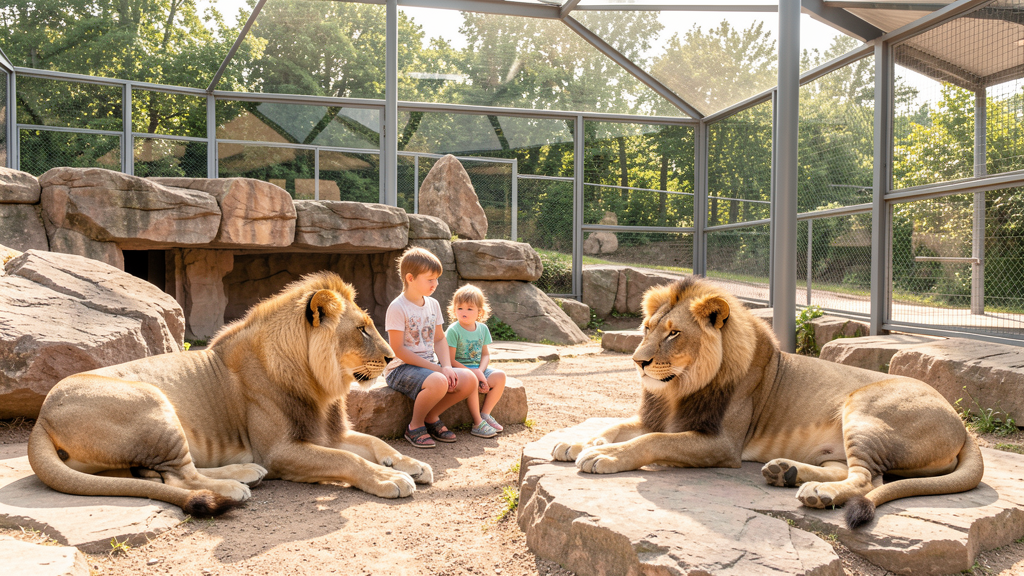
Family with children watching African lions in zoo habitat Seasonal

Seasonal Events and Programs at the Toronto Zoo Throughout the Year

The Toronto Zoo transforms with each season, offering special events, themed programs, and unique animal experiences that make every visit different. Here is what to expect across the four seasons.

Spring (March to May): Spring is baby season. Newborn animals appear across the zoo, particularly in the domestic animal barn and the Discovery Zone. The Easter-themed weekend events are popular with families. Spring weather can be unpredictable; dress in layers.

Summer (June to August): The peak visiting season. Extended hours keep the zoo open until 8pm on select summer evenings, with outdoor concerts and twilight keeper talks. The splash park operates daily. Zoo attendance peaks in July and August; arrive early to avoid the heaviest crowds.

Fall (September to November): A favorite among regular visitors. Animals are more active in cooler temperatures, and the fall colors in the Rouge Valley create stunning backdrop photography. The annual senior day in October offers discounted admission for visitors aged 65+.

Winter (December to February): A magical time to visit, especially the Tundra Trek polar bear habitat which is at its most dramatic in cold weather. The zoo's Holiday Lights event transforms the grounds with illuminations and seasonal entertainment. Not all outdoor exhibits are fully operational in winter; check the website before visiting.

Practical Advice for Your Visit

Expert tips gathered from frequent visitors and conservation staff to help you navigate the zoo like a pro.

Arrive Before 10am

Animals are most active during the first few hours after opening. Arriving early means you will see feeding behaviors, territorial displays, and more active animals before the midday heat slows everything down.

Bring Your Own Water

Toronto summers can be hot and humid. Bring a refillable water bottle and use the free water refill stations located throughout the park. Staying hydrated is essential for a full-day visit.

Download the Zoo Map

The Toronto Zoo spans nearly 700 acres with 10 distinct zones. Download the park map before you arrive to plan your route and identify must-see exhibits. The map is available free on the zoo website and at the entrance.

Start with the Back Zones

Most visitors start at the front and work backward, meaning the Tundra Trek, Indo-Malaya, and other back-of-the-park zones are quieter in the morning. Use this to your advantage and reverse the typical route.

Check the Keeper Talk Schedule

Daily keeper talks and feeding demonstrations are included with general admission. These sessions offer behind-the-scenes insights and close-up animal encounters. The schedule changes seasonally; check online before arrival.

Wear Sunscreen and a Hat

Many exhibit walkways have limited shade. Apply sunscreen before entering and reapply during the day. A wide-brimmed hat provides additional protection and makes a noticeable difference on hot summer days.

What to Expect Any Time You Visit

Each season at the Toronto Zoo offers a distinctly different experience. Here is what to plan for.

Spring
March – May
  • Newborn animals in Discovery Zone
  • Easter weekend family events
  • Blooming wildflowers on grounds
  • Milder temperatures, lighter crowds
  • Extended zoo hours begin late May
Summer
June – August
  • Splash Park open daily
  • Evening concerts and twilight talks
  • Longest operating hours (9:30am – 8pm)
  • Peak attendance, especially July
  • Most newborn animals on display
Fall
September – November
  • Rouge Valley fall colors at peak
  • Animals more active in cooler weather
  • Senior Day discount in October
  • Harvest-themed weekend activities
  • Shorter queues and relaxed atmosphere
Winter
December – February
  • Holiday Lights evenings (ticketed)
  • Polar bear habitat most dramatic
  • Reduced outdoor exhibit operations
  • Heated indoor galleries fully open
  • Festive food and warm beverage options

Frequently Asked Questions

Most visitors spend 4 to 6 hours at the Toronto Zoo to comfortably see every exhibit zone. If you plan to attend keeper talks, eat a leisurely meal, and spend time at the splash park or play areas, budget a full day from 9:30am to late afternoon. Rushing through in under 3 hours means missing significant portions of the back zones.
Yes, outside food and non-alcoholic beverages are permitted. Visitors commonly bring picnics, snacks, and refillable water bottles. Alcohol is not permitted. The zoo provides picnic tables outside the main entrance area. Large coolers and picnic baskets are subject to security inspection at the gate.
The Toronto Zoo is fully accessible. All pathways are paved and flat, making navigation straightforward for wheelchairs and strollers. Wheelchairs are available to borrow at the main entrance on a first-come-first-served basis. Accessible parking spaces are located in Lot A closest to the entrance.
Tuesday through Thursday are the quietest days of the week. The first two weeks of June and the month of September typically offer the best combination of pleasant weather and manageable crowds. Avoid visiting during Canadian statutory holidays, especially during the summer, when attendance can exceed 15,000 visitors per day.
A complimentary bag check is available at the main entrance during regular operating hours. You may check personal items, bags, and non-essential coats while you explore the zoo. The service is provided on a space-available basis and cannot guarantee storage for very large items or valuables.
Personal, non-commercial photography is encouraged throughout the zoo. Flash photography is not permitted in reptile and amphibian exhibits. Tripods and professional photography equipment require advance written permission from the zoo's communications department. Selfie sticks and extended pole mounts are not allowed near animal enclosures.